10 Familiar Cannabis Strains—and How to Look Beyond the Name
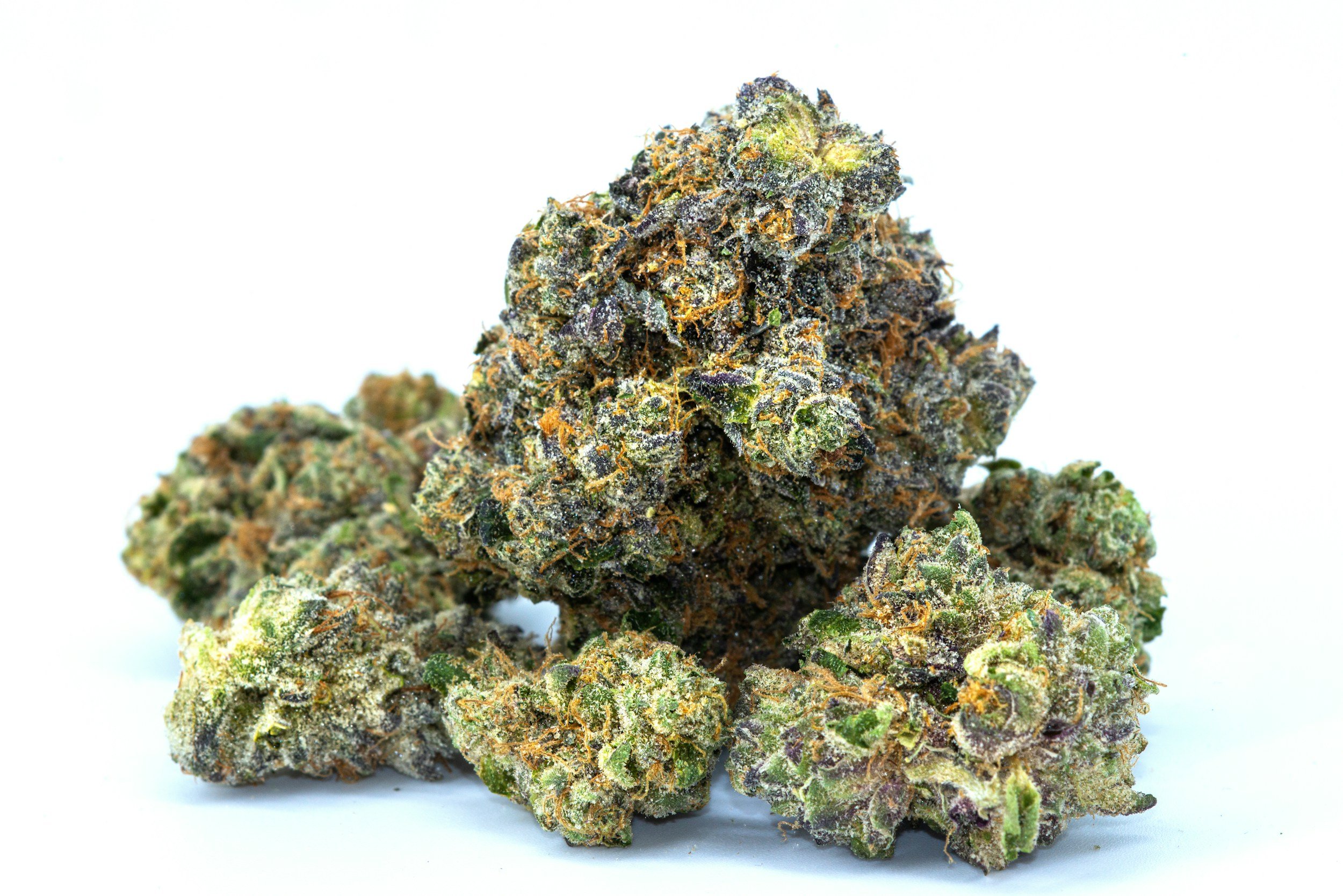
Updated October 3, 2026. This is now a reference guide, not a ranking or a list of strains recommended for beginners. Earlier promises about sleep, pain, depression, focus, and predictable effects have been removed.
Blue Dream, Sour Diesel, OG Kush: familiar names can help you navigate a menu and remember a product. They cannot establish what is in every batch or how it will affect you. These are the ten names from our original list, revisited with better questions to ask.
Why a name is only a starting point
Research on cannabis labels and chemistry shows that commercial categories and shared names are imperfect guides to genetic and chemical identity. A breeder's description concerns its particular material; it is not independent verification of a retail package from another producer.
The notes below distinguish source descriptions from personal outcomes. They do not rank potency, safety, quality, or medical usefulness. No strain is universally suitable for a new user.
1. Blue Dream
Our original guide described Blue Dream as a reliably balanced experience. That was too definite. When comparing products with this name, begin with the producer and batch, then record the aroma and effects you actually noticed. “Hybrid” does not establish equal THC and CBD or a middle-of-the-road intensity.
2. Sour Diesel
Royal Queen Seeds' Sour Diesel profile illustrates how a breeder describes its own version of a familiar name. Keep that provenance attached to the description. A diesel reputation is not proof of a particular terpene, and our former recommendation for stress, pain, and depression was not justified by strain-specific clinical evidence.
3. Girl Scout Cookies / GSC
Record the full product name rather than shortening every Cookies-related product to GSC. A related name or cross is not necessarily the same material. Our earlier claims about severe pain, nausea, and appetite loss should not be treated as treatment recommendations. Those questions require evidence for a specific formulation and condition.
4. OG Kush
OG Kush is a useful name to retain in your history, but it should sit beside the producer and batch. Do not assume two jars have the same cannabinoid composition or that “Kush” guarantees calm. If one product suited you, preserve the details that identify that product instead of attributing the whole experience to the name.
5. Green Crack
Humboldt Seed Organization describes mango sweetness in its Green Crack line. That is a source-specific flavor description, not a measured promise for every package. Our earlier “sharp mental focus” and daytime claims were too confident. Feeling stimulated is not evidence that judgment or coordination is unimpaired.
6. Northern Lights
Sensi Seeds' Northern Lights listing is one identifiable breeder reference. A familiar name can carry a strong reputation, but reputation is not clinical proof. We no longer present Northern Lights as an insomnia or pain treatment. Record sleepiness as an observation, not as a guaranteed property.
7. White Widow
Dutch Passion describes its White Widow with spicy and pine-like notes. Those details can help you compare a source description with your own perception. They do not establish a universally social or creative experience. Aroma preference and cognitive performance are separate questions.
8. Jack Herer
Sensi Seeds explains the cultivar's connection to the cannabis activist Jack Herer. Historical background is worth preserving, but our former productivity claims went beyond it. If you notice a change in focus, record the amount, task, and starting state rather than assuming the name predicts the result.
9. Granddaddy Purple
The color suggested by a name is not a potency test. Nor does a purple appearance establish a sleep benefit. Keep visual notes separate from cannabinoid results and personal effects. The old list's pain and insomnia claims should not guide treatment decisions.
10. Pineapple Express
A memorable name can create expectations before you open the package. Write down your own aroma description before reading the marketing copy, and record the full producer and product details. Our previous promise of productive afternoons and a long-lasting energetic experience was not something the name could guarantee.
Make your own reference more precise
For any of these products, keep the batch, available lab information, amount, method, timing, context, and unwanted effects alongside favorites. Green Journal helps you revisit those details. A repeated personal observation can be useful without becoming a universal rule.
Read our 2026 science review of sativa, indica, and hybrid and terpene evidence guide for the research behind this change in approach. This article is educational and does not recommend a strain for a medical condition.
GREEN JOURNAL · THE APP
Your next favorite is worth remembering.
Keep your products, sessions, ratings and personal notes together. Spend less time trying to remember—and more time learning from your own history.
Download Green Journal for iPhone & iPad ↗
Free to download. Optional in-app purchases.